


1. Structure and Materials
- Main load-bearing structure made of steel elements (profiles, columns, beams).
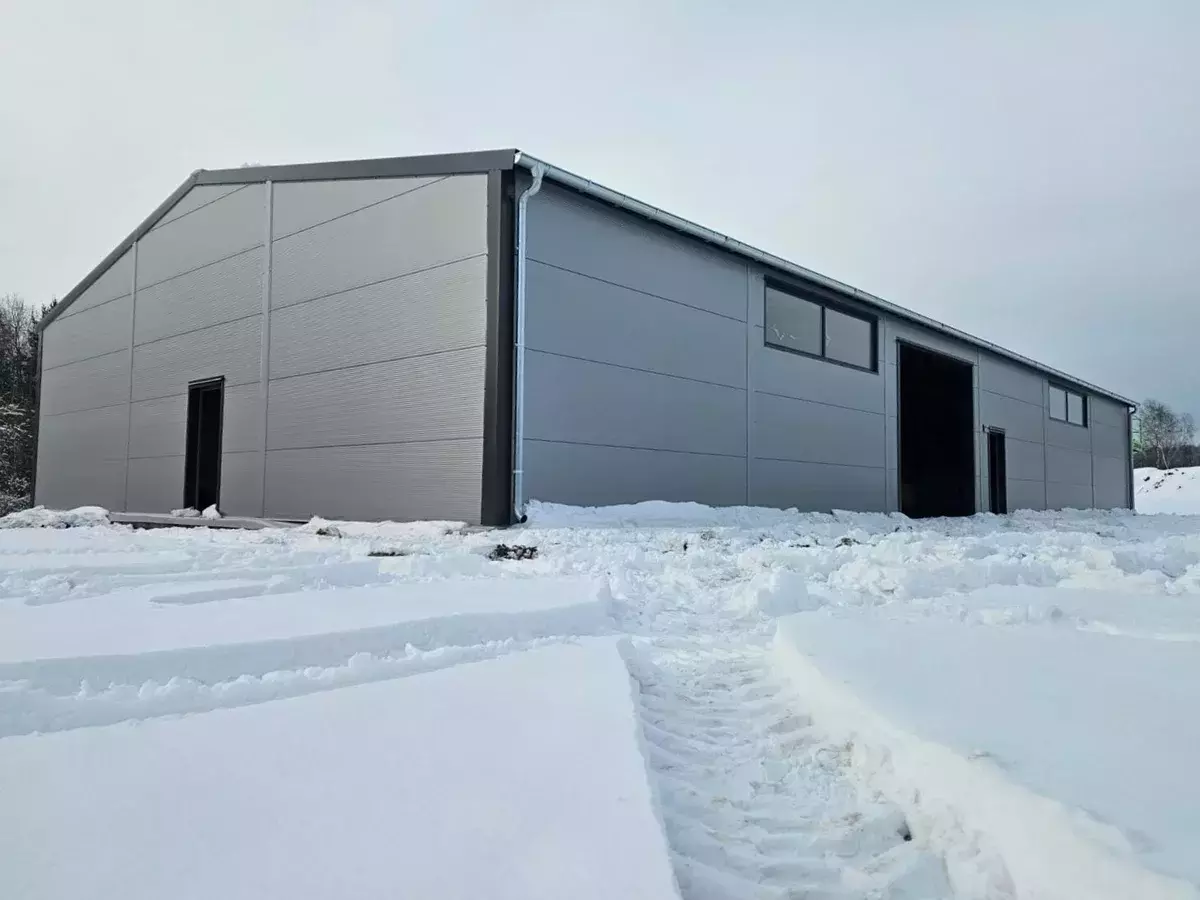
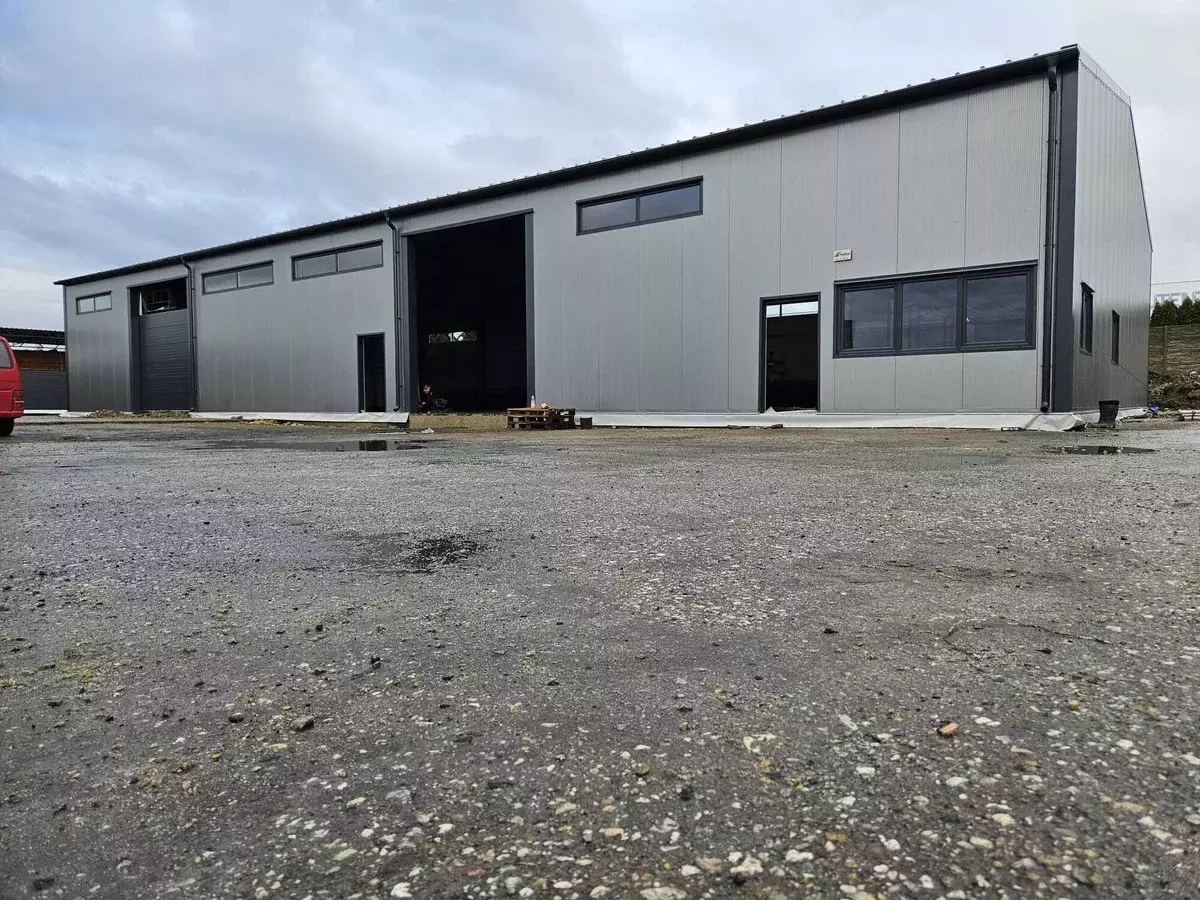
- Walls and roof made of trapezoidal sheets, sandwich panels (with insulating core: PIR foam, PUR, mineral wool).
- Option to include additional elements: roof skylights, glazing, ventilation and heating systems.
- Structure designed according to building and fire safety standards.
2. Mobility and Ease of Installation
- Permanent, non-portable building.
- Construction requires foundations and lasts from several weeks to several months (depending on size).
- Assembly is more complex than tent halls but allows permanent installation of heavy equipment and machinery.
3. Functionality
- Wide range of applications: warehouses, logistics centers, production facilities, commercial, sports, and exhibition halls.
- Full thermal and acoustic insulation possible.
- Adaptable to technological requirements (e.g., cranes, production lines, cold storage).
- Easy expansion by adding additional segments.
4. Economics
- Higher initial costs compared to tent halls.
- Long-term investment - steel halls can be used for several decades.
- Lower operating costs with well-designed insulation (energy savings).
- High resale value of property with a steel hall.
5. Durability and Resistance
- Steel structure highly resistant to snow loads, wind, and mechanical damage.
- High fire resistance with proper protection (fireproof paints, mineral wool in panels).
- Durability measured in decades - steel halls can last 40-50 years.
- Require periodic maintenance (e.g., anti-corrosion protection).